Romario Wore Kappa
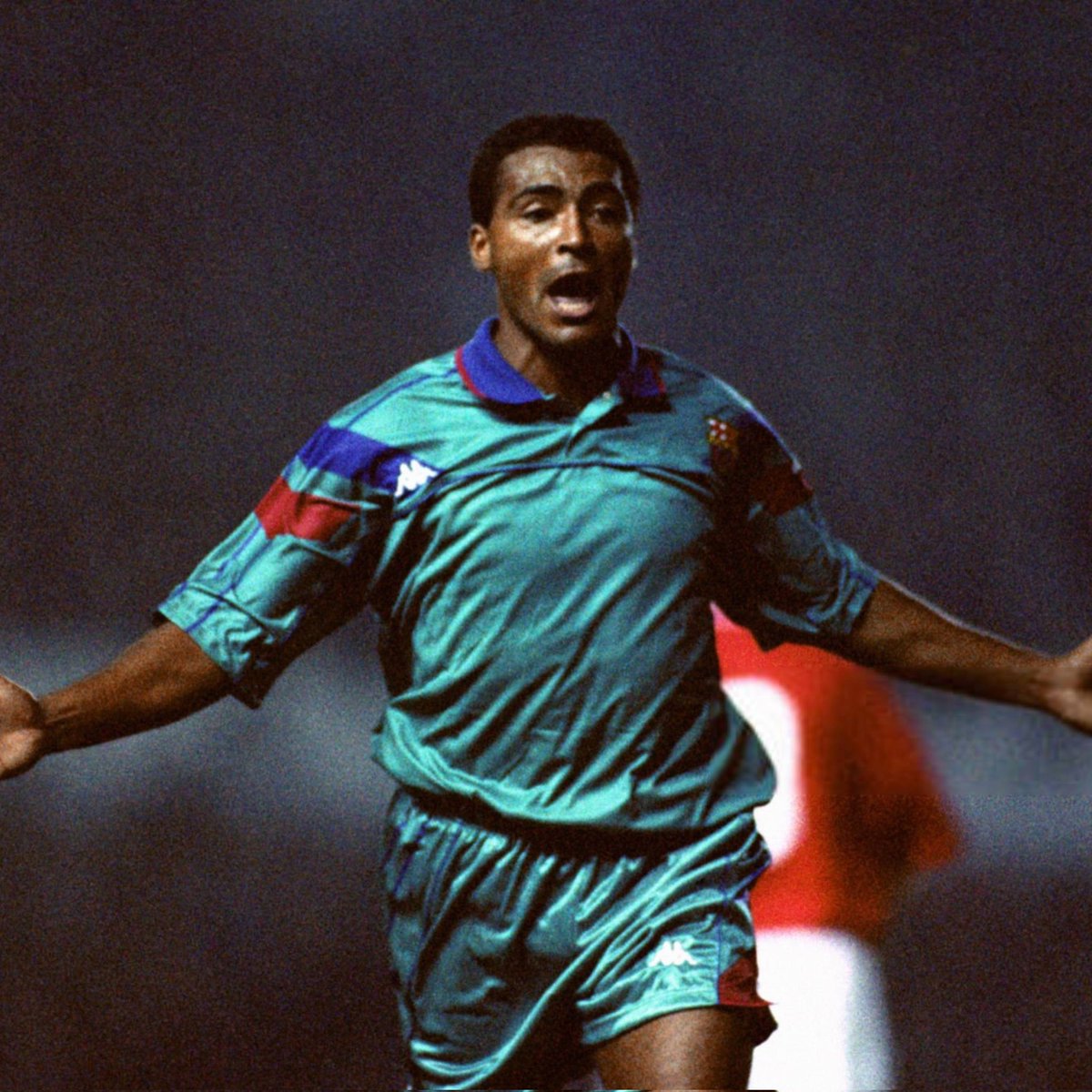
Romario Wore Kappa
Kappa. K-Way. Superga. Sebago. Woolrich. Sundek.
Six brands you've probably worn at some point. Six brands that were, at different moments, either bankrupt, irrelevant, or forgotten.
They're all owned by the same company. And you've probably never heard of it.
BasicNet is a Turin-based group run by Lorenzo and Alessandro Boglione. Their model is deceptively simple: find heritage brands — names people remember but stopped buying — acquire them cheap, and plug them into a shared infrastructure. Same purchasing. Same marketing engine. Same distribution network. Each brand keeps its identity. BasicNet strips out the operational waste that was killing it.
€909 million in aggregate sales in nine months of 2025. Up 7.3%. Zero bank debt.
How? They sold 40% of K-Way to Permira for a €140 million capital gain. Then immediately reinvested in two more acquisitions: Woolrich for €90 million and Sundek for €33.5 million.
K-Way — the French raincoat brand founded in 1965 — is now valuable enough that a private equity giant paid nine figures for a minority stake. When BasicNet picked it up, it was a dead brand with a good logo.
That's the playbook.
Woolrich — founded in 1830. The oldest outdoor clothing company in America. Outfitted Civil War soldiers. By the time BasicNet bought it, it was a licensing mess with no coherent strategy.
Sundek — founded in San Francisco in 1958. Created the Rainbow Boardshorts in 1972: quick-dry nylon, seamless, the rainbow stripe on the back. A garment that became a symbol of California surf culture. By the 2020s, nobody under 30 knew it existed.
Kappa — once the brand of Juventus and FC Barcelona. If you're old enough, you remember. The 1993-94 season. Romario at Barcelona. 30 goals in 33 league games. Pichichi trophy. Fourth consecutive La Liga title. FIFA World Player of the Year. One of the most statistically monstrous individual seasons in football history — and he did it all wearing Kappa on his chest. BasicNet turned that same brand into the official outfitter of the US ski and snowboard team for the 2026 Winter Olympics in Milan.
Superga — the Italian tennis shoe. Now fronted by Emily Ratajkowski as global ambassador.
One creative director — Marco Tamponi — runs Woolrich, Sundek, Sebago, and Superga simultaneously. Four brands, one brain, shared resources. Each gets the benefit of a conglomerate's marketing budget while keeping the feel of an independent label.
There's a logic here that's easy to miss. The value of concentration isn't just cost savings — it's that the consumer never sees it. Nobody wearing Sundek boardshorts thinks about BasicNet. Nobody buying a K-Way raincoat knows it shares a supply chain with Kappa.
That's the whole point. Centralize everything the customer doesn't care about — purchasing, logistics, finance, distribution. Decentralize everything they do — design, identity, storytelling, culture. The brands stay independent in the eyes of the market. The machine behind them is one.
Most conglomerates get this wrong. They centralize too visibly. The brands start looking the same, feeling the same, losing the thing that made them worth buying in the first place. BasicNet's discipline is knowing what to touch and what to leave alone.
The Boglione brothers described it well: "In the first phase, we took brands from zero to a hundred by ourselves. In the second, we'd like to get them to 200 or 300 with partners."
The same playbook exists in tech.
Bending Spoons — an Italian company, ironically — has spent $4.5 billion buying faded software brands: Evernote, Meetup, StreamYard, Eventbrite. Revenue went from $392 million to $1.23 billion in two years. EBITDA projected at €1.4 billion for 2026.
The recipe is identical. Acquire something people already know. Strip the bloat. Plug it into a shared operating system — engineering, marketing, billing, support — and watch margins jump from single digits to 40-50%.
BasicNet does it with fashion. Bending Spoons does it with apps.
Both bet on the same thing: brand memory is an asset the market consistently undervalues.
Building a new brand from scratch costs a fortune and usually fails. Buying one that already lives in people's heads? That's the trade.
In a world obsessed with creating the next thing, the smartest operators are buying the last thing — and making it relevant again.